
What is Advocacy?
welcome to module one
This module introduces advocacy as a powerful tool for advancing global development. It explores what advocacy is, how it differs from related concepts like lobbying and activism, and why it plays a critical role in shaping policies, systems, and public engagement. Through definitions, examples, and reflection, participants will begin to see advocacy not only as a professional skill, but as a meaningful form of systems change and civic participation that can be taken up individually or collectively.
learning objectives
By the end of this module, participants will be able to:
- Define advocacy and understand the role it plays in outcomes for global development
- Distinguish between advocacy, lobbying, and activism
- Understand that advocacy for organizations can act as one of the highest forms of public engagement for change through individual and collective action
what is advocacy?
Defining advocacy
ad·vo·ca·cy: conducting actions to influence decision-makers to bring about specific changes.
At its core, advocacy is about creating change. Advocacy involves taking intentional action to shape decisions, policies, practices, and systems that affect people’s lives. In the context of international cooperation and global development, advocacy often seeks to influence how governments, institutions, and the public understand global issues and respond to them.
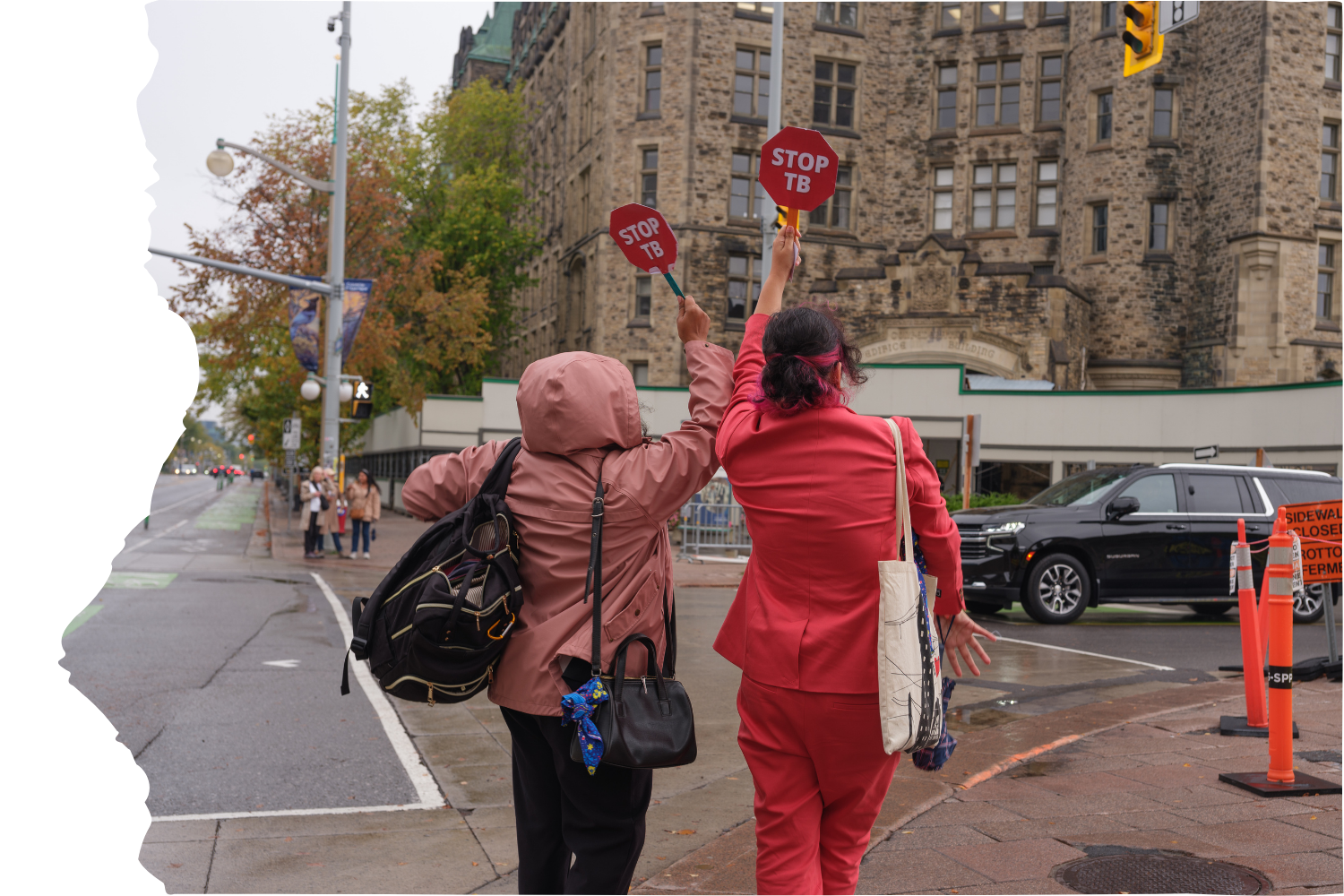
Advocacy can take many forms. It might involve raising awareness, engaging decision-makers, mobilizing public support and sharing lived experience. What unites these actions is a focus on addressing the root causes of problems and creating long-term, systemic change. Advocacy is not reserved for policy experts or seasoned campaigners. Whether you are part of a small community organization, a student group, or acting as an individual, you can influence decision-making when you understand how systems work and how to engage strategically.
For example, if funding for global health programs is at risk, advocacy might include meeting with elected officials, publishing an opinion piece, coordinating with allies, or mobilizing community members to call for increased investment. Each action is designed to influence those with the authority to make decisions and generate the political will needed for change.
Advocacy ensures that global issues remain visible and prioritized in political decision-making spaces. As an individual, you can research organizations already engaging on issues you care about and support their work by getting involved and volunteering. If you are an organization, you can collaborate with other institutions that align with your work. Throughout this module and others, you will learn and practice how to engage in advocacy.
the outcomes of advocacy
Advocacy does not always lead to immediate or visible wins, but its impact can be significant. Advocacy is designed to create change, but change does not always happen all at once. Some advocacy efforts result in immediate decisions, such as a funding increase or a policy shift. More often, advocacy builds momentum over time by increasing visibility, shifting public understanding, and strengthening political will.
Generating political will is often the turning point. Decision-makers may be aware of an issue but unwilling to prioritize it. Advocacy helps move issues from the margins to the center of decision-making. Advocacy outcomes can occur at different levels. Sometimes the outcome is concrete and measurable. Other times it is relational or narrative-based, laying the groundwork for future policy change.
Advocacy can lead to the following outcomes:
- New or renewed funding for your issue
- Changes to laws, regulations, policies and budgets
- Increased accountability by decision-makers
- Enhanced participation for individuals and groups to have their voices heard
- Increased issue visibility and public awareness
- Changes in attitudes and public understanding
